
Why Palm Angels Streetwear Commands the Fashion Scene
There is something about Palm Angels that just hits unique. Step inside any top-tier streetwear shop in 2026, browse any carefully selected Instagram feed, or observe what the most stylish people at any music gathering are rocking, and you will see the name in every direction. But this is not the kind of visibility that weakens a label — it is the kind that confirms cultural dominance. Palm Angels has succeeded to achieve what only a handful of names in fashion on record have succeeded at: it grew everywhere without ever coming across as commonplace. Since Francesco Ragazzi founded the brand from a photography book about LA skate culture in 2015, it has expanded into a force that by most accounts earns north of $300 million in yearly sales. And truthfully, when you look at the full scope, it is perfect sense. The name does not just market garments; it sells a energy, an persona, and a very specific brand of cool that lands across countries, generations, and scenes.
The Genesis History That Authentically Is Important
Most fashion companies invent their founding myth. Palm Angels did not have to. Francesco Ragazzi was the art director at Moncler when he grew obsessed with the skating community in Venice Beach, California. He put in years capturing skaters, documenting the gritty dynamism, the banged-up knees, the sun-bleached concrete, and the bold beauty of a subculture that thrived wholly on its own rules. That body http://palmangelspants.com/ of work became a book, published by Rizzoli in 2014, and the book turned into a fashion empire. This founding story is important because it is authentic — Ragazzi did not approach skate culture as an outsider trying to mine stylistic appeal. He embedded himself in the community, established connections, and earned trust before ever placing a design into existence. That legitimacy is baked in the label’s DNA, and consumers can recognize it. In an era where Gen Z consumers are remarkably skilled at identifying pretense, this real footing gives Palm Angels a competitive upper hand that cannot be reproduced by just recruiting the right creative director or arranging the right collaboration.
The label’s Italian roots add another critical component. While Palm Angels takes its creative palette from American skate culture, every item is crafted in Milan and constructed using the same manufacturing apparatus that caters to traditional Italian luxury houses. This twin identity — California cool meets Milanese craft — is the magic formula. It permits the label to set $350 for a printed tee and have customers know like they are securing real value, because the textile quality, the construction standard, and the drape are genuinely superior to what most streetwear rivals deliver at comparable or even greater price points. Palm Angels exists in a niche that very few labels have effectively owned, and it defends that position with relentless artistic work.
Lifestyle Power: The Actual Currency
Celebrity Approval and Organic Uptake
You cannot purchase the kind of famous co-sign that Palm Angels enjoys. Sure, the label connects with fashion consultants and sends pieces to influential figures, but the remarkable diversity of its star support indicates something genuine is taking place. In the past 18 months alone, Palm Angels has been sported by Drake, Zendaya, Lewis Hamilton, Bad Bunny, Jenna Ortega, and Mbappé, reaching across music, film, motorsport, and football. This diverse appeal is incredibly rare. Most streetwear companies concentrate largely in hip-hop culture, and while Palm Angels undoubtedly has solid roots there, its draw spreads considerably past any particular scene. When a Formula 1 driver wears the same house as a reggaeton superstar and a Gen Z actress, you know the label has unlocked something that surpasses traditional fashion promotion. The label according to reports spends less than 15% of its income to bought marketing, depending instead on authentic exposure and lifestyle placements to fuel recognition — a strategy that delivers a vastly higher result on investment than typical advertising.
Social media amplifies this dynamic dramatically. Palm Angels has an Instagram following of over 6 million, but more notably, the hashtag #PalmAngels produces tens of millions of impressions every month across Instagram and TikTok. User-generated content — everyday people wearing their Palm Angels pieces and posting fits — produces a perpetual marketing engine that demands the house zero. According to data from Launchmetrics, Palm Angels placed among the top 15 most-discussed fashion houses on social media during Milan Fashion Week in February 2026, beating several traditional houses with marketing funds many times its size. This organic buzz is both a reflection and a source of the brand’s supremacy: people buzz about it because it is desirable, and it continues to be cool because people keep buzzing about it.
Why the Price Point Succeeds
Palm Angels occupies what fashion analysts call the “accessible luxury” tier. It is more expensive than mall-brand streetwear but significantly less costly than the top tier of luxury fashion. A Palm Angels hoodie typically retails between $500 and $750, while a matching piece from Balenciaga or Louis Vuitton might run $1,200 to $1,800. This pricing structure is remarkably smart. It allows aspirational consumers — up-and-coming professionals, college students with some spending income, and design-savvy shoppers — to own a piece of true luxury streetwear without taking on financial strain. The standard Palm Angels customer is between 18 and 34 years old, with a median household income calculated around $75,000, according to internal retail data disclosed at a fashion industry gathering in late 2025. This audience is sizable, growing, and intensely engaged with fashion as a form of identity. By setting its key pieces within reach of this audience while offering premium items like leather jackets and refined outerwear at loftier price points, Palm Angels constructs a progression of engagement that keeps customers dedicated as their spending power increases over time.
| Brand | Standard Hoodie Price | Standard T-Shirt Price | Target Age Group | International Stores |
|---|---|---|---|---|
| Palm Angels | $550 – $750 | $295 – $395 | 18 – 34 | 12 |
| Off-White | $600 – $850 | $320 – $450 | 18 – 35 | 16 |
| Amiri | $700 – $1,100 | $350 – $550 | 22 – 38 | 8 |
| Fear of God | $650 – $950 | $295 – $495 | 20 – 36 | 3 |
| Balenciaga | $1,100 – $1,800 | $550 – $850 | 22 – 40 | 100+ |
Design Philosophy That Will Not to Plateau
Evolving Without Sacrificing Character
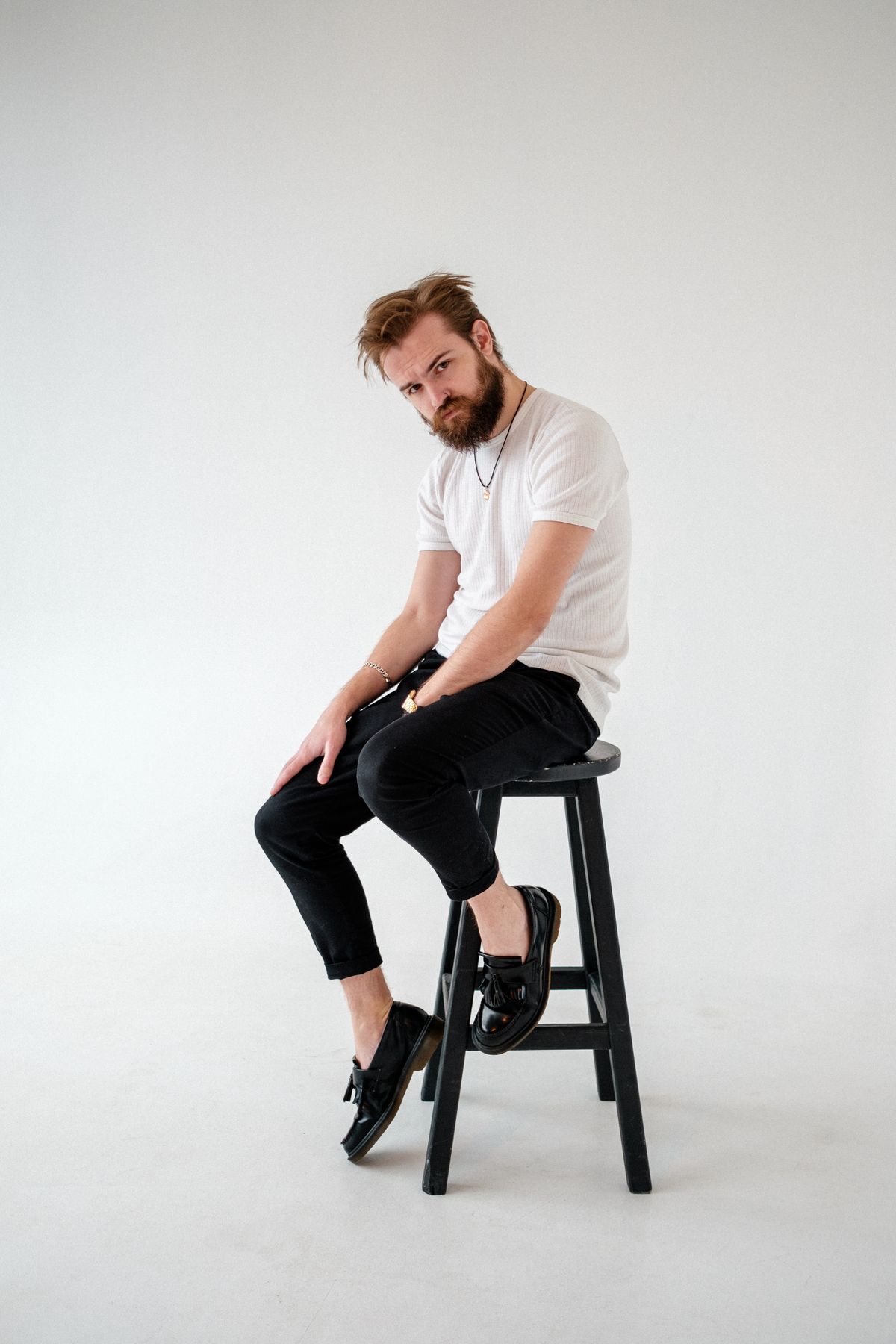
One of the most demanding things for any fashion brand to do is develop without alienating its dedicated audience. Palm Angels has navigated this dilemma with outstanding deftness. The house’s original collections focused strongly on unmistakable skate elements — baggy silhouettes, bold logo display, and a color spectrum led by black, white, and purple. By 2026, the artistic toolkit has expanded dramatically. Newer collections include sophisticated elements, advanced fabrics, softer color palettes, and experimental collaborations that push the house into space that would have been impossible five years ago. Yet nothing appears contrived. The palm tree icon still is present, the track pants are still a top seller, and the house’s spirit remains distinctly rooted in counterculture. Ragazzi maintains this balance by approaching Palm Angels not as a rigid aesthetic but as a evolving, progressing dialogue between luxury and street. Each season layers in a new voice to that dialogue without muting the ones that came before.
The house’s collaboration approach amplifies this forward-moving trajectory. Palm Angels has collaborated with partners as different as Moncler (for an long-running outerwear partnership), Clarks (for a modernized Wallabee boot), and even the NBA (for a approved sportswear capsule). Each collaboration opens Palm Angels to a previously unreached audience while presenting existing fans something novel to discover. The Moncler x Palm Angels line, in particular, has emerged as one of the most financially lucrative sustained collaborations in luxury fashion, earning an estimated $50 million in yearly revenue. These partnerships are not haphazard — they are deliberately selected to resonate with the house’s lifestyle positioning and widen its audience without diluting its core.
The Resale Space Exposes the Truth
If you are looking for an honest assessment of a house’s style importance, study the resale space. Palm Angels continually ranks among the top 20 most-traded names on platforms like StockX, Grailed, and Vestiaire Collective. Mean resale numbers for limited-edition pieces usually sit at 140% to 200% of retail price, reflecting intense interest that surpasses supply. The house’s track pants, in particular, have established themselves as a secondary market regular, with certain colorways commanding premiums of 80% or more over original retail. This resale showing is telling because it confirms that Palm Angels pieces hold and often grow in value — a feature usually connected with ultra-luxury maisons rather than streetwear houses. For consumers, this presents a attractive value rationale: buying Palm Angels is not just a fashion investment, it is a smart buy. For the brand, impressive resale performance operates as free marketing and social proof, strengthening the perception of desirability and covetability.
The numbers reinforce a bigger shift. According to a 2026 report from The Business of Fashion, the luxury streetwear space is anticipated to grow at a cumulative annual rate of 8.5% through 2030, outperforming both traditional luxury and mass-market fashion. Palm Angels is uniquely positioned to claim a outsized share of this growth. The house has the artistic capital to win over fashion pioneers, the commercial framework to scale distribution, and the lifestyle relevance to maintain standing across evolving consumer preferences. In an industry where most companies are either trendy or money-making, Palm Angels has proven that it can be both — and that is the very reason why it leads the fashion scene in 2026 and gives no signs of giving up that throne anytime soon.